Ensuring healthy lives and promoting well-being for people of all ages is an important part of sustainable development. However, the COVID-19 pandemic created serious challenges across the world. By mid-2022, more than 500 million people had been infected globally. Reports also suggest that the total number of deaths linked directly and indirectly to COVID-19 may have reached up to 15 million by the end of 2021, showing the massive impact on global health.
The pandemic also disrupted essential health services and increased mental health issues such as anxiety and depression. It affected progress in controlling diseases like HIV, tuberculosis, and malaria, and slowed down efforts toward universal healthcare. Vaccination rates dropped for the first time in many years, while deaths from major diseases increased. These challenges highlight the urgent need for strong action to improve healthcare systems and ensure better health and well-being for everyone.
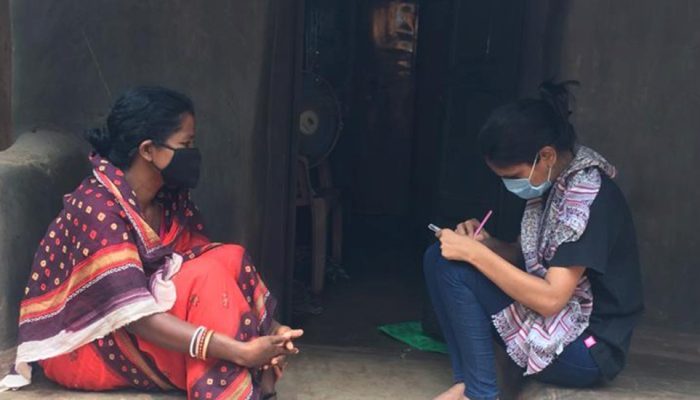
In recent years, there has been some positive progress in improving global health. Out of nearly 200 countries, around 146 are on track to achieve targets related to child health and survival. Improved treatments for HIV have helped reduce AIDS-related deaths by more than half since 2010, and several countries have successfully eliminated at least one neglected tropical disease. These achievements show that strong efforts can bring real change.
However, progress is still slow in many important areas. Maternal health remains a major concern, with nearly 800 women losing their lives every day due to pregnancy and childbirth-related complications. At the same time, high healthcare costs are pushing millions of people into poverty. In 2019 alone, around 381 million people faced financial hardship because of medical expenses, showing the need for affordable healthcare services.
The COVID-19 pandemic and other global challenges have further slowed down progress. Immunization rates for children have dropped significantly, and deaths from diseases like tuberculosis and malaria have increased. To overcome these challenges, there is a strong need to invest more in healthcare systems, improve accessibility, and build better preparedness for future health crises.
“Empowering lives through education, healthcare, and sustainable development. Join us in making a difference!”
Copyright © 2025 smart steps foundation. All Rights Reserved.