United Nations Sustainable Development Goal 7 focuses on ensuring access to affordable, reliable, sustainable, and modern energy for all, which is essential for the development of agriculture, business, communication, education, healthcare, and transportation. Lack of access to energy hinders economic growth and human development.
The latest data shows that the world is moving toward sustainable energy goals. However, the current pace of progress is insufficient to achieve Goal 7 by 2030. Significant inequalities in access to modern and sustainable energy persist across regions.
Rising commodity, energy, and shipping prices have increased the cost of producing and transporting solar photovoltaic modules, wind turbines, and biofuels worldwide. This has added uncertainty to development pathways that were already falling well short of the ambitions of Goal 7. Achieving energy and climate targets will require sustained policy support and large-scale mobilization of public and private capital for clean and renewable energy, especially in developing countries.
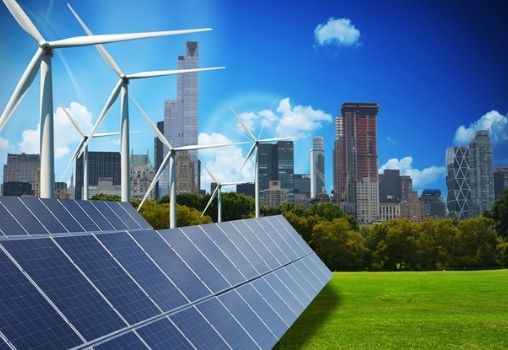
The world is progressing toward sustainable energy goals, but not at the required speed. At the current rate, around 660 million people will still lack access to electricity by 2030, and nearly 2 billion people will continue to rely on polluting fuels and technologies for cooking. While nearly 30 percent of electricity consumption comes from renewable sources, significant challenges remain in the heating and transport sectors.
Developing countries are experiencing an annual growth rate of 9.6 percent in renewable energy installations. However, despite growing needs, international financial flows for clean energy continue to decline.
Therefore, to ensure universal access to energy by 2030, efforts must focus on accelerating electrification, increasing investment in renewable energy, improving energy efficiency, and developing supportive policies and regulatory frameworks. Currently, 733 million people—nearly one in ten worldwide—still lack access to electricity.
According to the United Nations Development Programme, global access to electricity increased from 73 percent in 1998 to 90 percent in 2020. The UNDP estimates that achieving universal access to electricity will require annual investments of USD 35–40 billion between 2021 and 2030.
“Empowering lives through education, healthcare, and sustainable development. Join us in making a difference!”
Copyright © 2025 smart steps foundation. All Rights Reserved.