According to United Nations Sustainable Development Goal 6, access to safe drinking water, sanitation, and hygiene is the most basic human need for health and well-being. Unless progress accelerates fourfold, billions of people will still lack access to these essential services by 2030. Rapid population growth, urbanization, and increasing water demands from agriculture, industry, and energy sectors are driving higher water consumption. Decades of misuse, poor management, overextraction of groundwater, and pollution of freshwater supplies have intensified the global water crisis. In addition, countries are facing growing challenges related to degraded water-related ecosystems, water scarcity caused by climate change, low investment in water and sanitation, and inadequate cooperation over transboundary waters.
To achieve universal access to drinking water, sanitation, and hygiene by 2030, the current rate of progress must increase fourfold. Achieving these targets could save an estimated 829,000 lives each year that are currently lost due to diseases directly caused by unsafe water, inadequate sanitation, and poor hygiene practices.
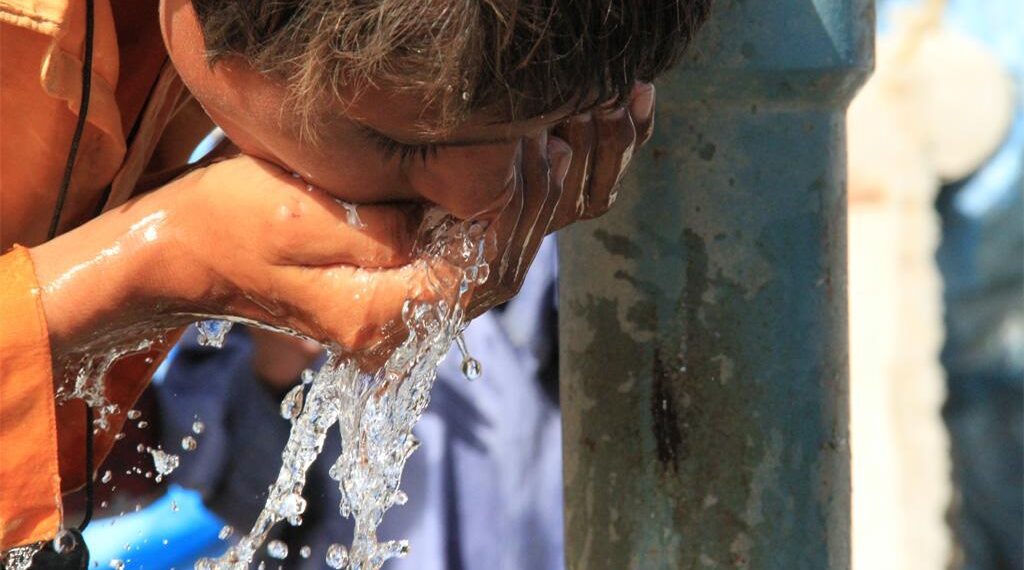
Despite significant progress, billions of people still lack access to safe drinking water, sanitation, and hygiene. To achieve universal coverage by 2030, global rates of progress must increase substantially—six times faster for drinking water, five times faster for sanitation, and three times faster for hygiene. Although water-use efficiency has increased by 9 percent, water stress and scarcity remain major concerns in many parts of the world. In 2020, 2.4 billion people were living in water-stressed countries. Conflicts and climate change have further compounded these challenges.
Key strategies to bring Goal 6 back on track include increasing sector-wide investment and capacity-building, promoting innovation and evidence-based action, strengthening cross-sector coordination and cooperation among all stakeholders, and adopting a more integrated and holistic approach to water management. It is important to note that only 0.5 percent of Earth’s water is usable and available as freshwater, highlighting the urgency of addressing the growing water crisis.
According to the World Meteorological Organization, limiting global warming to 1.5°C instead of 2°C could reduce by nearly half the proportion of the world’s population affected by water scarcity, although significant regional differences would remain. Furthermore, the global urban population facing water scarcity is projected to more than double—from 930 million in 2016 to between 1.7 and 2.4 billion by 2050. The United Nations World Water Development Report 2023, referenced by UNESCO, warns of the imminent threat of a global water crisis and calls for urgent and responsible action.
“Empowering lives through education, healthcare, and sustainable development. Join us in making a difference!”
Copyright © 2025 smart steps foundation. All Rights Reserved.