To support poor and vulnerable people during the COVID-19 lockdown, Prime Minister Narendra Modi launched the Pradhan Mantri Garib Kalyan Yojana (PMGKY) for an initial period of three months. Later, this scheme was extended to provide continued support during difficult times. The government ensured that food and financial assistance reached millions of families, especially during the festive season, when expenses are higher.
Under this scheme, eligible beneficiaries received 5 kilograms of food grains and 1 kilogram of pulses (chana) free of cost every month. In June, it was announced that around 80 crore people across the country would benefit from this support until November. The government allocated a large budget of around ₹90,000 crore to ensure that no गरीब family sleeps hungry during the crisis.
The Pradhan Mantri Garib Kalyan Yojana proved to be an important and effective relief program during the pandemic. It was launched at the beginning of the lockdown to reduce the hardships faced by daily wage workers and low-income families. Due to its positive impact, the scheme was extended further, showing the government’s commitment to supporting those in need even during ongoing economic challenges.
According to Finance Minister Nirmala Sitharaman, several welfare programs were combined under the Pradhan Mantri Garib Kalyan Yojana to provide strong support during the COVID-19 crisis. Initially, a budget of ₹1.70 lakh crore was allocated to ensure smooth implementation. Over time, the scheme expanded further, and its total support value crossed ₹1 lakh crore, helping nearly 80 crore people with free ration assistance until November.
The PMGKY includes multiple important initiatives such as Pradhan Mantri Garib Kalyan Rozgar Abhiyan, Pradhan Mantri Garib Kalyan Anna Yojana, and Direct Benefit Transfer (DBT) programs. It also covers other welfare schemes like pension support for differently-abled individuals, women self-help group programs, LPG support schemes, and ration subsidy programs. Together, these initiatives make PMGKY a comprehensive support system for poor and vulnerable communities.
Under the ₹20 lakh crore Atmanirbhar Bharat Abhiyan announced in May, PMGKY played a key role in providing immediate relief. The government also ensured support for migrant workers who did not have ration cards by providing free food grains and pulses. This support was initially given for a limited time but later extended until November, helping millions of families during the ongoing crisis.
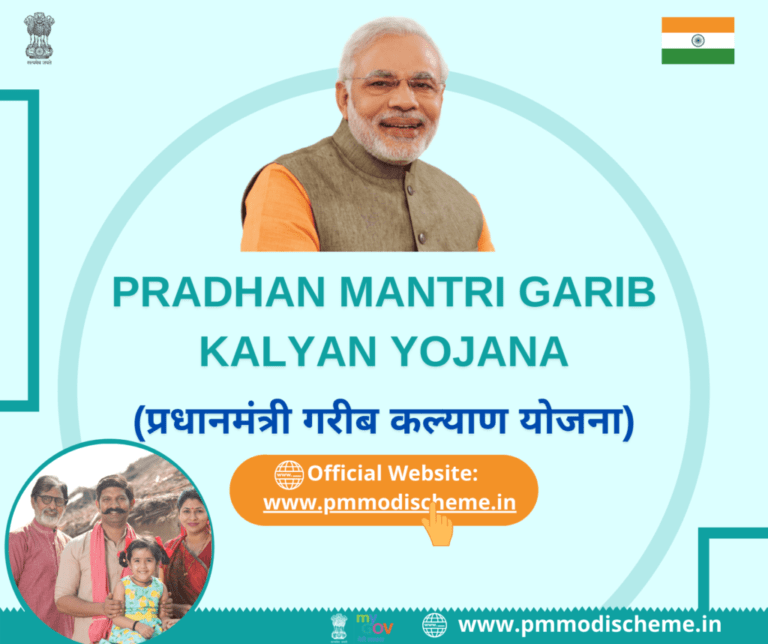
The Pradhan Mantri Garib Kalyan Yojana was first introduced to support around 8 crore migrant workers, but it was later expanded to cover nearly 80 crore people across the country for an extended period. Initially, about ₹3,500 crore was spent, but with the extension, the total estimated cost increased to around ₹90,000 crore, fully funded by the central government. This makes it one of the largest food security programs in the world.
Under this scheme, ration card holders received extra food support in addition to their regular quota for several months. The additional ration was provided completely free of cost. To improve nutrition, beneficiaries were also given 1 kilogram of pulses such as chana every month.
Along with food distribution, financial support was directly transferred to beneficiaries through Direct Benefit Transfer (DBT). A large amount of funds was distributed through schemes like Pradhan Mantri Jan Dhan Yojana, Pradhan Mantri Ujjwala Yojana, and PM-Kisan Samman Nidhi. Financial assistance was provided in multiple installments, helping millions of families manage their daily needs during the crisis.
The scheme was designed to support different groups in society, including poor families, daily wage workers, women, farmers, migrant workers, and persons with disabilities. Farmers received direct financial assistance, while healthcare workers such as doctors and nurses were provided insurance coverage of up to ₹50 lakh for their service during the pandemic.
Women beneficiaries under the Jan Dhan scheme received ₹500 per month for three months, while senior citizens, widows, and persons with disabilities were given additional financial support. Free LPG cylinders were also provided under the Ujjwala scheme, and self-help groups were offered collateral-free loans to support small businesses and livelihoods.
Additional support was extended to construction workers and employees through provident fund contributions paid by the government. Pension benefits were also provided to crores of beneficiaries, ensuring financial stability for vulnerable groups. Large-scale ration distribution programs helped millions of families meet their food requirements during difficult times.
Importantly, beneficiaries did not need any special registration to receive ration benefits. Eligible individuals could directly visit their nearest ration shop to access support. In case of any issues, they could contact local authorities or seek help through official channels to ensure they received the benefits on time.
“Empowering lives through education, healthcare, and sustainable development. Join us in making a difference!”
Copyright © 2025 smart steps foundation. All Rights Reserved.